
Our previous BULLETIN announced two very important developments. The first development was what Dr. John McCready considers to have been his most important contribution to Hope Africa University (the University) and, therefore, to the Free Methodist Church of Burundi (the Church). He identified and gained access to nearby crop cultivation land and recruited Foundations for Farming (FfF) to provide four month’s conservation agriculture, high-production training and supervised practice in the Internship of the University’s Agriculture and Zootechny Program (AZP). In February, 56 students graduated knowing how to use and train others to use the high-production crop cultivation methods. Of the 56 2026 AZP Graduates, 36 were selected by the Church and, thereby, received a full, two-year Scholarship from Friends of Hope Africa University (Friends).
The second big development began with targeting, connecting and involving the 2026 AZP Graduates with the Haley-McCready Outreach and Development Fund (H-MODF) projects and the Church’s 6 Annual Conferences and their local Parishes. The 2026 AZP Graduates are special because they are the first class and, perhaps the last class, to receive four month’s of FfF’s impressive conservation agriculture practical training and supervised practice in using the high-production methods. FfF and others report that when the conservation agriculture methods are used correctly over time, agriculture production can be 6 to 10 times more productive than the too commonly used traditional crop cultivation methods in Burundi.
Continuing Collaborative Developments
This BULLETIN describes the continuation of collaborative developments on agriculture developments. The first development identified 8 of the best 2026 AZP Graduates who were selected by the Church and received a Scholarship from Friends; one from each of the 5 Annual Conferences and 3 from the largest Annual Conference. The H-MODF) assisted the selected 8 2026 AZP Graduates in developing a H-MODF Project Proposal. The Project Proposals were reviewed by Burundi Advisory Committee and the Board of Directors and approved for a one-time, start-up grant.
The second big continuing development is proactive collaboration in connecting and involving the 2026 AZP Graduates in their Annual Conferences, especially the 36 Graduates who receive Scholarships from Friends. The H-MODF has worked in association with Church right from the beginning. Now our support from the Church has never been stronger. Now, the H-MODF and the Church are collaborating proactively as partners in contacting, connecting and involving the 2026 AZP Graduates with the H-MODF and Church’s agriculture and livestock development personnel, projects and activities in the Annual Conferences.
DEVELOPMENT OF NEW DEVELOPMENT PROJECTS
This was the first time that we targeted and assisted in developing the project proposals and did so with the knowledge and support of the Church. All 8 new projects used the H-MODF Project Proposal and our successful H-MODF Project Model that includes (a) developing a self-help association, (b) crop cultivation, (c) animal husbandry, and (d) microfinancing. Each project has received our one-time, start-up grant and each project is designed to become self-supporting, self-managing, self-governing and self-governing. Our projects alleviate poverty, improve and transform lives and last long into the future.
The 8 new H-MODF Project Managers were selected from the best of the 2026 Agriculture and Zootechny Program (AZP) Graduates, all of whom received 4 month’s of FfF’s practical training and supervised practice using the methods. FfF is a conservation agriculture training approach that equips community farmers to improve crop productivity, soil health (no ploughing, composting, mulching, etc.) and household resilience through practical, low-input farming, high-production methods. FfF and others report that when the conservation agriculture methods are used correctly over time, agriculture production can be 6 to 10 times more productive than the too commonly used traditional crop cultivation methods in Burundi.
PROACTIVE COLLABORATION ON DEVELOPMENT
Not too long ago, Bishop Déogratias NSHIMIYIMANA told representatives of the University, Friends and the H-MODF that the Agriculture Program must be practical and it must meet is original purpose which is to serve the Church and, thereby, to benefit its members and other community farmers.
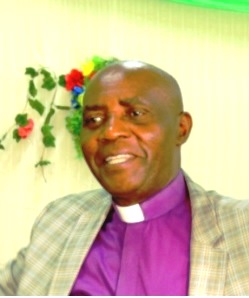
In May and with our H-MODF plans in mind, Dr. McCready decided it would be a good idea to meet with the Executive Secretary of the Church; Rev. Evariste BIMENYIMANA, who is also the Chairman of the Administrative Council.
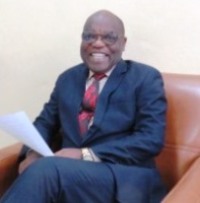
The purpose of the meeting was to inform Rev. Evariste of the H-MODF plans but, more importantly, it was to obtain his support. After Dr. McCready described the plans and in a somewhat formal fashion, Rev. Evarist said, “You have the support and blessings of the Executive Secretary for what you are doing.” Then he surprised Dr. McCready by going further than expected. Rev. Evariste asked Dr. McCready if he would be willing to attend a meeting with Annual Conference Superintendents before he left. Dr. McCready was thrilled but had to leave Burundi before the meeting could take place.
Because 36 AZP Students had been selected by the Church, received a two-year Scholarship from Friends and received 4 month’s training from Foundations for Farming, the H-MODF was interested in ensuring that the 2026 AZP Graduates would return to home areas and get involved in agriculture development. The evening before the February Graduation, the H-MODF and the Church met with the Graduates to describe and encourage them to get involved with the Church and H-MODF’s agriculture personnel, projects and activities in their home Annual Conferences and Parishes.
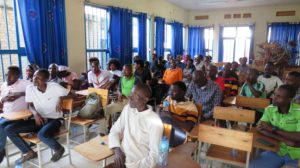
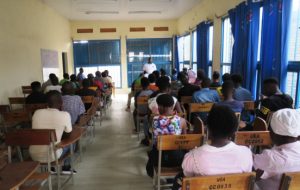
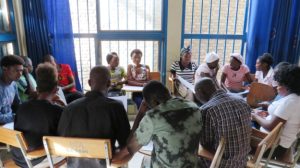
In May, we invited the 8 2026 AZP Graduates and would-be H-MODF Project Managers to join our Project Managers’ Meeting.
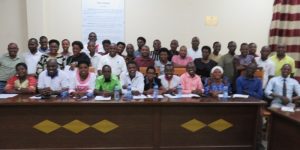
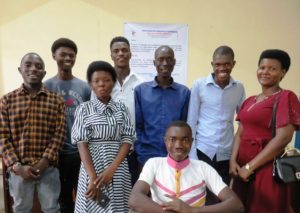
To facilitate collaboration, we compiled and distributed a user-friendly listing of the names, locations and contact information for the Graduates by Annual Conferences. .
LIST OF 2026 AGRICULTURE AND ZOOTECHNY PROGRAM GRADUATES; ALL ANNUAL CONFERENCES
| Name | Conference | Commune | Colline | Telephone | Parish | Bursary |
We also included the same type of information for all of the H-MODF projects.
So, the Church and the H-MODF are proactively and collaboratively contacting the AZP 2026 Graduates and H-MODF Project Managers encouraging collaborative connections and involvements on agriculture and livestock development. The Church Bishop, Executive Secretary, Superintendents and Parish Pastors are supporting the contacting of the AZP 2026 Graduates and H-MODF Project Managers and encouraging collaborative connections and involvements. Likewise, the H-MODF Program Director, Program Coordinator and Project Managers are supporting the contacting of the AZP Graduates and Church personnel, encouraging connecting and involvements on agriculture development.
The Church is planning to visit the Annual Conferences in September and review their plans for involving the AZP Graduates. The Church is also encouraging Parishes with significant land to use some of it for demonstration and development. The 8 new Project Managers will be responsible for staying involved with their project and their project beneficiaries. They are also encouraged to provide project management guidance and conservation agriculture, high-production training to others in the Annual Conferences. In addition, we are hoping that they will also contribute to agriculture development beyond their project and their Parish and contribute to leadership and coordination throughout their Annual Conference.
EIGHT NEW DEVELOPMENT PROJECTS
Cankuzo Annual Conference; Superintendent Rev. Deo BIZIMANA
- Supporting Ten Vulnerable Woman from Ruyigi Province, Kinyinya Commune, Kinyinya Zone, Nyamunazi Hill through Cultivating Corn and Rice and Breeding Goats
Project Manager: Gabriel NIYONSABA
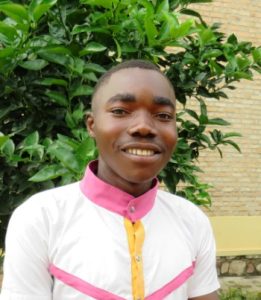
Cibitoke Annual Conference; Superintendent Rev. Onesphore MBARIRENDE
- Supporting Vulnerable Women from Gasenyi Colline, Buganda Commune, Cibitoke Province Through Maize and Beans Cultivation and Goat Breeding
Project Manager: Aime Sauveur NISHEMEZWE
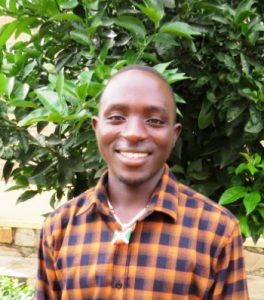
Gitega Annual Conference; Superintendent Rev. Aimable SINDAYIHARIRIZA
- Supporting 10 Vulnerable Women from Gitega Province, Makebuko Commune, Janja Colline through Maize and Beans Farming and Goats Breeding
Project Manager: Lydie NSENGIYUMVA
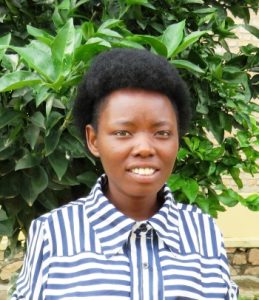
Makamba Annual Conference; Superintendent Rev. Jean Pierre NTAHIMPERA
- Supporting Vulnerable Women from Nyamabuye Colline in Gitanga Commune, Rutana Province through Cultivating Maize and Potatoes and Breeding Goats
Project Manager: Frederic NDUWIMANA
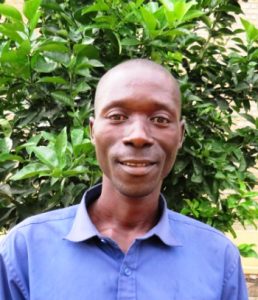
Ngozi Annual Conference; Superintendent Rev. Mélance NIYIBIGIRA
- Farming Corn and Beans and Raising Goats for 10 Vulnerable Women from NGOZI Province-NGOZI, Commune-Mugomera, Zone-Mugomera Hill
Project Manager: Vedaste TUYISHIME
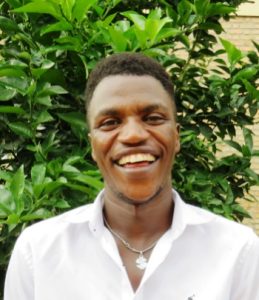
Ntahangwa Annual Conference; Superintendent Rev. Raoul DUKORE
- Supporting Vulnerable Women from Bujumbura Province, Mukike Commune, Rurambira Colline through Sweet Potatoes and Maize Farming and Goats Breeding
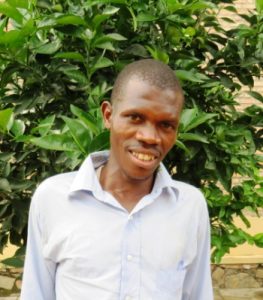
Project Manager: Jean Bosco NIYOKWIZERA
- Maize and Soybeans Cultivation and Goats Farming in Supporting Vulnerable Women from Bujumbura Province, Ntahangwa Commune, Benga Zone at Karunga Hill
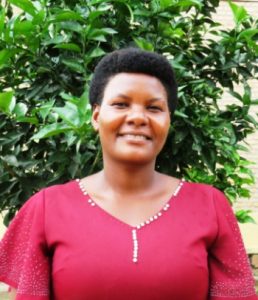
Project Manager: Marie-Cherissa KEZAKIMANA
- Supporting 10 Vulnerable Women from Bubanza Province, Rugazi Commune, Rugazi Zone, Bugume Hill Through Corn and Soybeans Farming and Goats Rearing
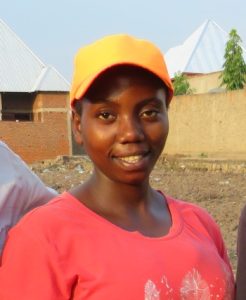
Project Manager: Rosette NDAYIKENGURUKIYE
EXAMPLE PROJECT SUMMARY DESCRIPTION (1 of 8)
- Supporting Ten Vulnerable Woman from Ruyigi Province, Kinyinya Commune, Kinyinya Zone, Nyamunazi Hill through Cultivating Corn and Rice and Breeding Goats
Project Manager: Gabriel NIYONSABA
Gabriel Niyonsaba is a graduate of Hope Africa University’s Agriculture and Zootechny Institute, holding a degree in Agriculture and Livestock since February 2026. He supported Haley-McCready Outreach and Development Fund (H-MODF) by volunteering in planting two times at Buringa. He added to his academic success with an intensive, four-month practical training through Foundations for Farming, where he mastered modern, faith-based agricultural techniques designed to empower local communities. In recognition to this qualification, the founder and director of Haley-McCready Outreach and Development Fund (H-MODF) collaborated directly with the Head of the Agriculture department to recruit top talent. Selected through this exclusive process, Gabriel Niyonsaba was selected from Cankuzo Annual Conference of Free Methodist Church of Burundi. Niyonsaba developed a project proposal entitled “Supporting Ten Vulnerable Woman from Ruyigi Province, Kinyinya Commune, Kinyinya Zone, Nyamunazi Hill Through Cultivating Corn and Rice and Breeding Goats” that fully aligns with H-MODF’s project model.
Introduction
Poverty, food insecurity, and limited economic opportunities continue to affect many vulnerable women in Nyamunazi Hill, Kinyinya Zone, Kinyinya Commune of Ruyigi Province, Burundi. Many women, especially widows, single mothers, and those from low-income households, face challenges in meeting their basic needs and providing adequate nutrition, education, and healthcare for their families. Empowering these women through sustainable agricultural activities is an effective way to improve their livelihoods and strengthen their resilience against poverty. This project aims to improve the socio-economic conditions of ten selected vulnerable women. The project will promote income generation, food production, and self-reliance through integrated farming practices that combine crop cultivation and livestock rearing.
The project also seeks to enhance the beneficiaries’ knowledge and skills in modern agricultural practices, animal husbandry, financial management, and group cooperation. Training sessions and regular monitoring will ensure that participants effectively manage their farming activities and maximize the benefits obtained from both crop cultivation and livestock production. The women will be encouraged to share experiences and support one another through collective action and mutual learning.
Ultimately, the project is expected to improve food security, increase household incomes, and enhance the overall well-being of the ten vulnerable women and their families. By creating sustainable livelihood opportunities, the initiative will contribute to poverty reduction, women’s empowerment, and community development in Nyamunazi Hill, Kinyinya Zone, Kinyinya Commune, Ruyigi Province. The project will serve as a model for promoting economic resilience and social inclusion among vulnerable populations in rural areas.
Developing the Association
The very first thing to do is to make strong collaboration with the local church leader of the Nyamunazi Free Methodist Church. In collaboration with him, I will request him to support me to select ten vulnerable women based on the criteria described above. Then after, I will focus on formally registering and strengthening the women’s association so that it can operate as an organized, accountable, and sustainable community structure.
After the selection, the selected beneficiaries of the project will sign the association agreement and commit herself to follow up all the regulations of this association. This will support the development of internal regulations and governance structures, followed by the transparent election of association leaders to guide decision-making and coordination.
Three individuals will be elected as officers: the president, the secretary and treasurer and the advisor. These officers will oversee coordination of all the activities of the association including organizing regular meetings. Capacity-building sessions will be conducted to improve members’ leadership, management, bookkeeping, and financial management skills. Regular meetings and planning sessions will also be organized to encourage participation, collective decision-making, and effective implementation of project activities. To ensure accountability and long-term performance, the project will establish monitoring and reporting mechanisms that allow the association to track progress, document results, identify challenges, and take corrective actions when needed.
Cultivating Crops (Maize and Rice)
This project will support the production of maize and rice as key crops for improving household food security and generating income for the beneficiary women. In the beginning, the Project Manager and the officers will start by searching for, identifying and securing suitable agricultural land for rent. Two separate fields will be secured (for corn and rice). To promote transparency among the members, the renting agreement will be signed in front of all the beneficiaries. The landlord will receive the money the same day. Under the Project Manager’s guidance, the beneficiaries will be responsible for workforce in preparing the land.
The Project Manager will assist the association members to purchase selected seeds (corn and rice). He will also ensure that planting is done under favorable conditions. The beneficiaries will plant maize and rice using good agricultural practices, including proper spacing, timely planting, appropriate use of inputs, soil fertility management, and climate-smart techniques where possible. Regular weeding and crop maintenance will be carried out throughout the growing season to improve productivity and reduce crop losses.
At maturity, the crops will be harvested, properly dried, and stored to preserve quality and reduce post-harvest losses. A portion of the harvest will be marketed collectively or individually to generate income that can support the women’s households and contribute to the sustainability of project activities. Harvest management will follow the HMODF model to balance immediate household needs with income generation and long-term sustainability. Under this model, 40% of the harvest will be distributed among association members to strengthen household food security, 40% will be sold to generate income, and 20% will be reserved for reinvestment in the next farming season.
The reserved 20% will be used to purchase seeds for the following season, expand the cultivated land, and maintain the sustainability of the project. This approach will help ensure that crop production continues beyond the initial project support and that the women’s association gradually becomes more self-sufficient, self-managing and self-sustainable.
Breeding Animals (Goats)
This project Supporting Ten Vulnerable Woman from Ruyigi Province, Kinyinya Commune, Kinyinya Zone, Nyamunazi Hill Through Cultivating Corn and Rice and Breeding Goats will promote goat breeding as a sustainable livelihood activity for the beneficiary women. After the successful agriculture season, the officers and the Project Manager will select and purchase five improved breeding goats and distribute them through the women’s association. The goats will belong to the association. Simple goat shelters will be constructed to protect the animals from rain, cold, theft, and diseases. The beneficiaries will also receive practical training in goat husbandry, including proper housing, daily care, hygiene, feeding practices, disease prevention, reproduction management, and the use of manure for crop production. To reduce animal mortality and improve productivity, the project will provide veterinary care, vaccination, and regular health monitoring. Feeding practices will be improved using locally available fodder, crop residues, and appropriate feeding schedules to ensure the goats remain healthy and productive.
Reproduction and offspring growth will be monitored closely to expand the goat population and strengthen the association’s livestock assets. When appropriate, goats and offspring may be sold to generate additional income for beneficiaries and support the sustainability of the project. The expected results of this activity include an increased goat population, improved household assets, additional income from goat sales, and greater availability of manure to support maize and rice production. Through this integrated approach, goat breeding will contribute to food security, income generation, and long-term economic resilience among the beneficiary women.
Microfinancing
This component will establish a Village Savings and Loan Association (VSLA) to promote savings, access to small loans, and financial self-reliance among the beneficiary women. The project will train members in savings and lending procedures, including how to make regular contributions, manage loan requests, approve loans transparently, and maintain accurate financial records. A revolving fund will be created from project income generated through crop production, goat breeding, and members’ savings contributions. This fund will provide small loans to members for income-generating activities, enabling them to start or expand small businesses, meet urgent household needs, and reduce dependence on external financial support.
The association will regularly monitor savings contributions, loan repayment, and fund growth to ensure accountability and sustainability. Clear procedures will be used to track financial transactions, encourage timely repayment, and protect the revolving fund so that more members can benefit over time. The expected results of this microfinancing component include increased savings among members, improved access to small business capital, reduced financial vulnerability, and sustainable economic empowerment of the beneficiaries. By strengthening financial discipline and access to internal credit, the VSLA will help women invest in productive activities and improve their household resilience. To add to the income, the Project Manager will work with association members and encourage the to work for other farmers and the related income can be shared between the women who worked and the association.
Overall, the project is expected to economically empower 10 vulnerable women, increase maize and rice production, improve food security for beneficiary households, expand the goat population and livestock assets, and establish a functional savings and loan system. The project will also contribute to building a sustainable association capable of generating income independently and continuing its activities beyond the period of external support.
INVESTMENTS IN COLLABORATIVE AGRICULTURE DEVELOPMENT
With the 2026 AZP Graduates trained in Foundations for Farming’s conservation agriculture, high-production methods and the strong support and proactive collaboration with the Church and its Annual Conferences, we have new opportunities throughout Burundi to increase agriculture production, start more projects, support more training, increase agriculture productivity and have more impact for more poor women and their families.
With more opportunities, your donations, your investments will allow us to have more impact; allow us to do more and to do better: Donations – Haley-McCready Outreach and Development Fund (haley-mccreadyfund.ca).